How Personal Alarms Fit into Support at Home
Supporting independence at home without adding complexity
Support at Home reflects a real change in how older Australians are supported. Instead of fixed packages or one-size-fits-all solutions, the focus is now on flexible supports that can adapt as a person’s needs change over time.
For care coordinators, that shift often raises a very practical question:
What supports can I include in a Support at Home care plan that are simple, reliable, and won’t create extra work down the track?
Personal alarms are one such support. When chosen carefully, they can play a quiet but important role in helping people stay safe, confident, and independent at home.
Support at Home is about flexibility, not complexity
Support at Home recognises that people’s circumstances rarely stay the same.
A client might:
- start out relying mostly on family support
- later add professional monitoring
- or move between different arrangements as their confidence or health changes
Care plans tend to evolve gradually, not all at once.
Because of this, the most useful supports usually have a few things in common. They are:
- easy to explain to clients and families
- simple for clients to use day to day
- able to adapt without needing replacement or retraining
- low risk from an operational and compliance point of view
Well-designed personal alarms fit naturally into this kind of environment.
The role of personal alarms in a modern care plan
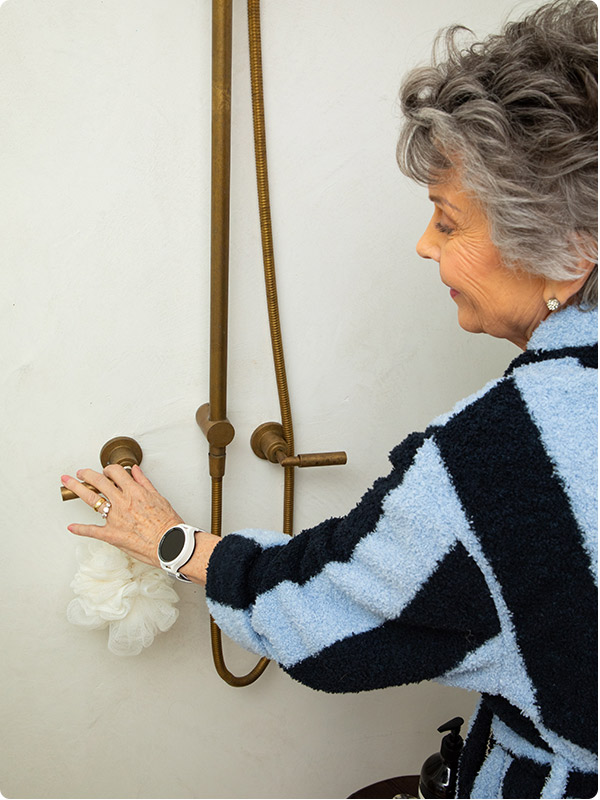
A personal alarm isn’t a replacement for care. It doesn’t take the place of visits, assessments, or ongoing support. Instead, it works as a supporting layer. It helps bridge the gaps between visits, reduces anxiety, and provides a clear way to get help when something goes wrong.
In practical terms, personal alarms can support:
Falls response
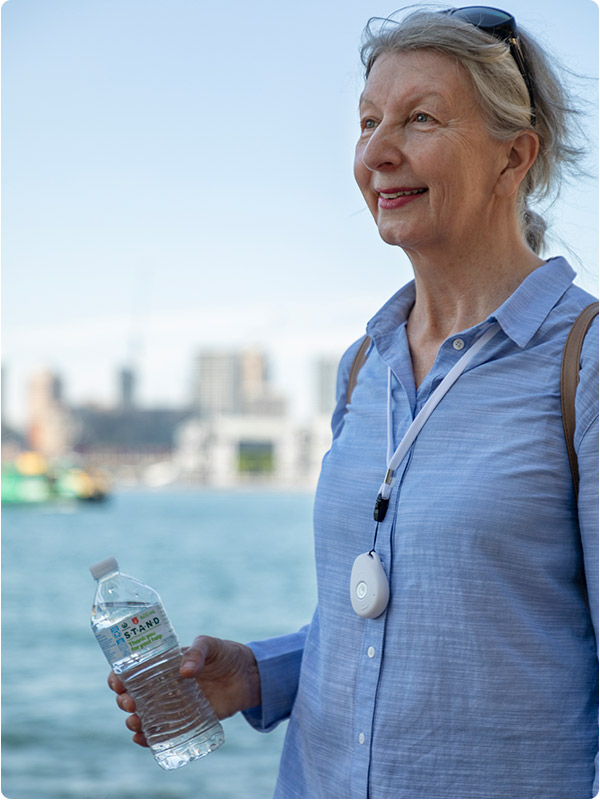
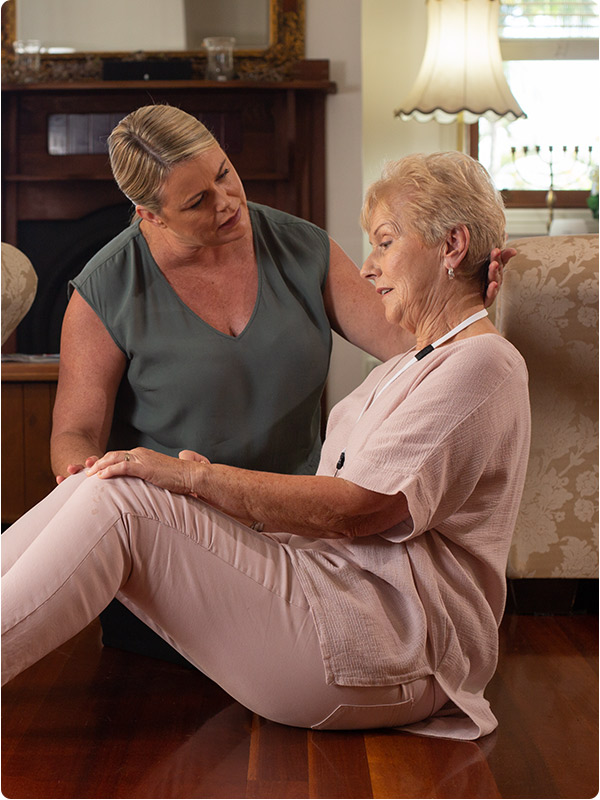
Falls are still one of the most common reasons for unplanned escalation of care. Alarms with inbuilt fall detection and a simple SOS button give clients a way to call for help even when they’re alone.
Confidence to stay independent
Many older people limit their activity because they’re worried about falling or not being able to get help. Knowing that help can be reached quickly often allows people to move more freely and confidently, both at home and in the community.
Reassurance for families and carers
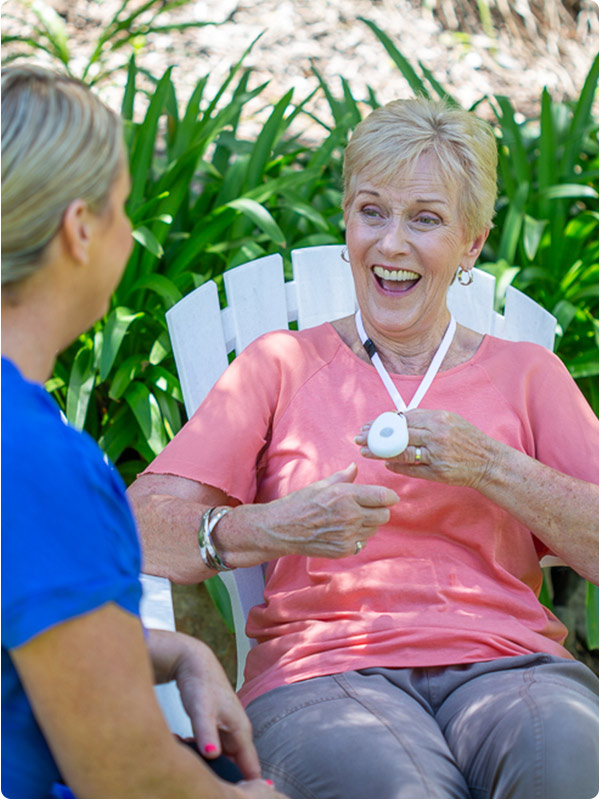
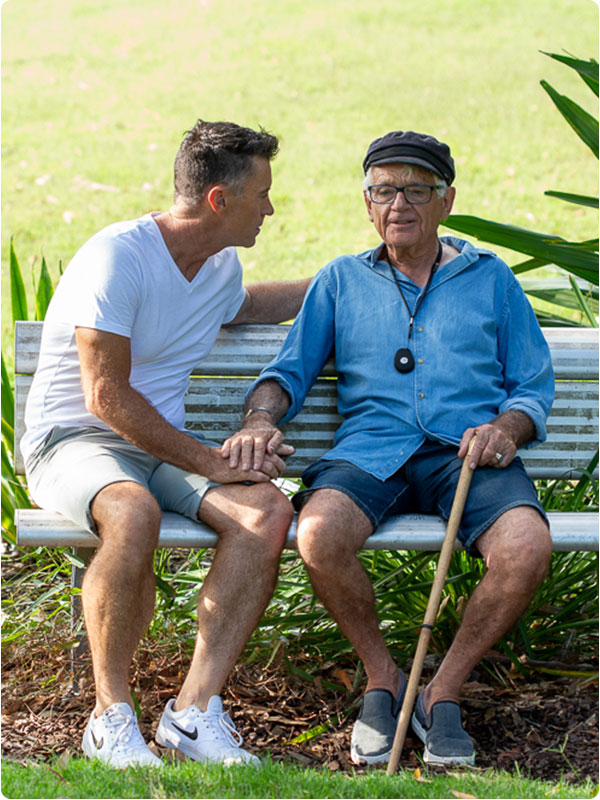
Personal alarms provide peace of mind without requiring constant supervision or intrusive monitoring.
Importantly, alarms sit quietly in the background. They don’t change daily routines or demand attention unless something actually happens.
Why simplicity matters more than features
From a care coordination perspective, the biggest risk with assistive technology isn’t usually device failure.
It’s friction.
Complex setup, ongoing configuration, unclear responsibilities, or training requirements can quickly turn a well-meaning recommendation into an ongoing support issue.
That’s why simplicity really matters:
- devices should arrive ready to use, with no installation or pairing
- operation should be intuitive, even for clients with limited tech confidence
- alerts and escalation should be predictable and easy to explain
In a Support at Home setting, an alarm that just works is far more useful than one with a long feature list that requires ongoing attention.
Flexible monitoring as care arrangements change
One of the strengths of Support at Home is that care arrangements aren’t locked in.
A client might:
- start with family responding to alerts
- later move to professional monitoring
- or use a mix of both
Personal alarms that support flexible monitoring models work particularly well in this environment.
For example:
- family members can receive alerts directly
- professional monitoring can be added later without changing devices
- arrangements can be adjusted as needs change
This avoids unnecessary disruption for the client and extra administration for care teams.
Keeping risk low for care coordinators and providers
Care coordinators are rightly cautious about recommending products. Reputational risk, compliance considerations, and what happens after a recommendation all matter.
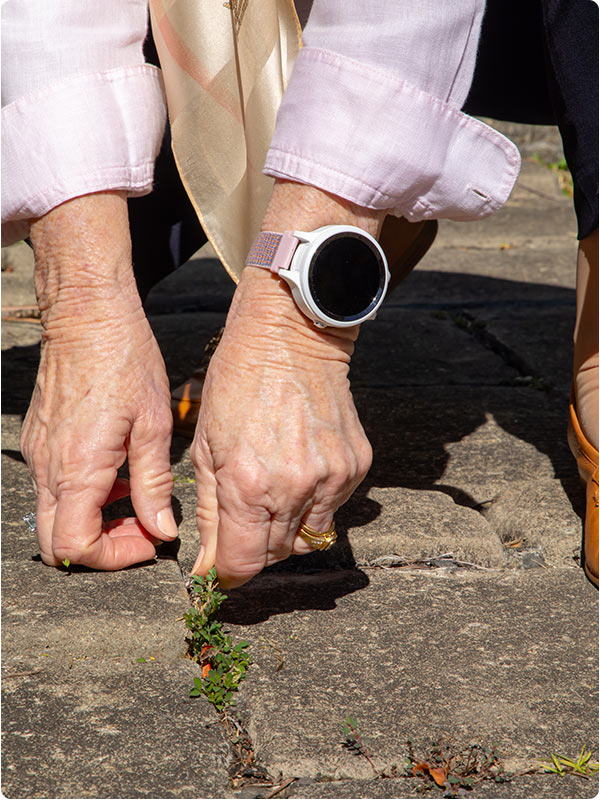
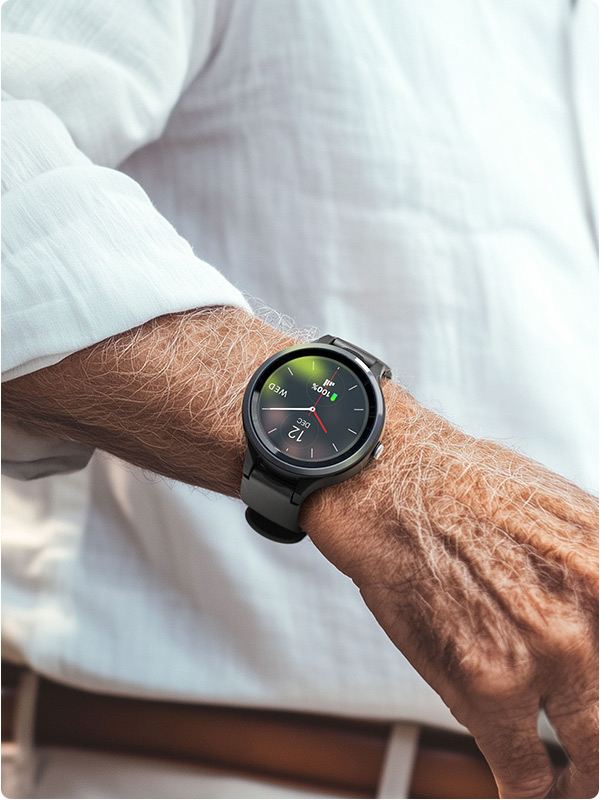
Personal alarms that fit well within Support at Home typically have:
- clear, accurate descriptions of what they can and can’t do
- transparent limitations, particularly around fall detection
- reliable mobile coverage across Australia
- local support teams who can assist clients directly
This helps ensure care coordinators and clinicians don’t become the default troubleshooting point.
Supporting independence without medicalising the home
Another advantage of personal alarms is that they’re non-intrusive.
They don’t involve cameras, sensors throughout the home, or behavioural monitoring. They preserve dignity while still offering a clear pathway to help.
For many clients, especially those early in their Support at Home journey, a personal alarm can be a sensible first step before more intensive supports are introduced.

How LiveLife fits within Support at Home
LiveLife Alarms has been supporting Australians at home for over a decade, and its approach aligns closely with the principles behind Support at Home.
Key elements include:
- Australian-owned and operated, with local support teams
- ISO 9001 certified quality management systems
- Devices delivered ready to use, with no setup required
- Flexible monitoring options to suit different care arrangements
- No lock-in contracts
LiveLife alarms are already used by providers, professionals, families, and individuals across Australia in a wide range of home-based care scenarios.
Rather than adding complexity, they are designed to slot quietly into existing care plans, providing reassurance without disruption.
A practical support, not a silver bullet
Personal alarms aren’t a solution to every risk, and they shouldn’t be positioned that way. They’re one part of a broader support approach.
When recommended appropriately, and with realistic expectations, they can:
- reduce response times when incidents occur
- support independence at home
- provide reassurance to clients, families, and care teams
In the context of Support at Home, that makes them a practical, low-risk inclusion.makes them a practical, low-risk inclusion.
In summary
Support at Home is about enabling people to live well, safely, and independently for longer. The best supports are often the simplest ones. Personal alarms, when chosen carefully, do exactly that.
For aged care professionals, they offer a way to strengthen care plans without adding complexity, while respecting the autonomy and dignity of the people those plans are designed to support.